Loading...
Serving Santa Barbara, CA and surrounding areas. (820) 223-1601
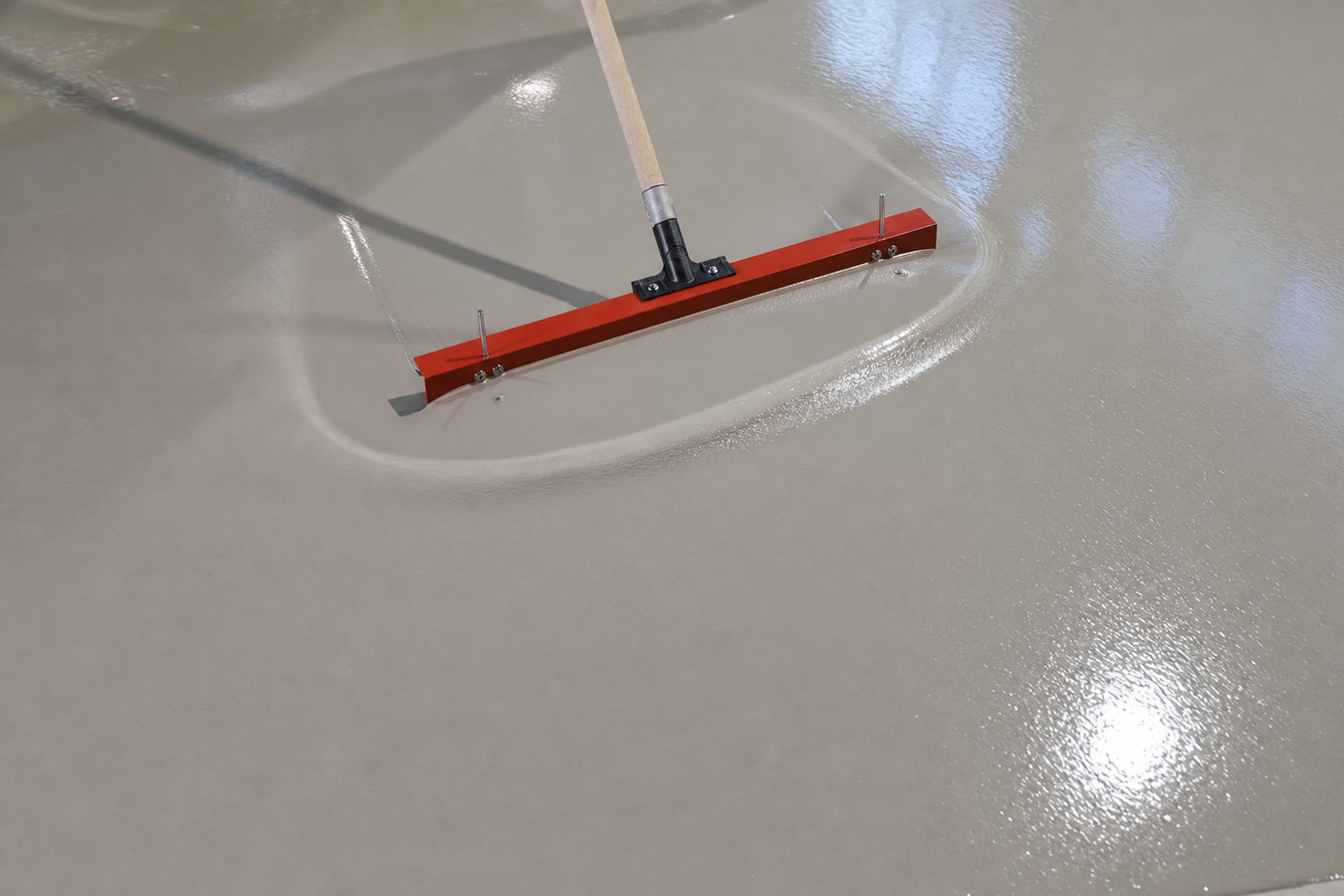
Uneven floors in older Santa Barbara homes are a common problem. Self-leveling concrete corrects low spots and sloping surfaces in a day or two - so new flooring goes down flat and stays that way.
Self-leveling concrete in Santa Barbara is a specially mixed material that spreads itself flat when poured onto a floor, filling low spots and correcting uneven surfaces without the need for manual smoothing - most residential projects are complete in one to three days, with foot traffic possible after 24 hours and furniture back after three to seven days.
If your floors have visible dips, rooms that do not connect at the same height, or new tile that has already started cracking because it was laid over an uneven base, self-leveling concrete is the fix that addresses the actual problem rather than covering it up. It is also the right first step before a decorative floor overlay goes down - a genuinely flat surface is what makes any finish look right and last. For homeowners whose concrete looks worn or dated but is structurally sound, our concrete resurfacing and overlays service handles the cosmetic refresh once the floor is level.
We work on interior concrete floors, garages, laundry rooms, and covered outdoor spaces throughout Santa Barbara. If you are not sure whether your floor needs leveling, a decorative overlay, or something else entirely, the on-site assessment will give you a straight answer at no charge.
If you set a round object on your floor and it rolls consistently in one direction, your floor is not level. You might also notice furniture that rocks, doors that drag at the bottom, or water that pools in one corner of a room after mopping. This is one of the clearest signs that a self-leveling pour is the right fix.
If tile, vinyl, or hardwood was laid over a floor that was not properly leveled first, you may notice tiles that rock when you step on them, grout lines that crack, or a floor that feels soft in spots. This is a common issue in older Santa Barbara homes where the original slab has settled unevenly over decades. Self-leveling concrete applied before the next flooring installation prevents this from happening again.
If your garage, laundry room, or patio slab has surface cracks that are not structural but make the floor look rough and tired, a decorative overlay can cover them and give the surface a fresh, clean appearance. This is especially common in Santa Barbara homes built in the 1950s and 1960s, where original slabs have seen decades of use without any surface treatment.
A white, chalky residue - sometimes called efflorescence - is a sign that moisture is moving up through the slab. Santa Barbara's coastal proximity and heavy clay soils in some areas contribute to this. Any contractor applying an overlay needs to test for and address this first - otherwise the new surface will eventually fail, and fixing a failed floor costs more than doing it right the first time.
We pour self-leveling underlayment to correct floors before tile, hardwood, vinyl, or other finished flooring goes down - and we apply decorative overlays for homeowners who want their concrete floor to be the finished surface. A self-leveling pour is typically the right choice when the floor has actual variation in height that needs to be corrected. A decorative overlay is the right choice when the floor is structurally flat but the surface looks worn, stained, or dated. Many projects involve both steps in sequence: level first, then finish.
Every project starts with a moisture test and a primer coat - skipping those steps is the most common reason floors fail within the first year, and we do not skip them. All products we use meet California Air Resources Board standards for low emissions, which means less fume exposure for your family during and after the job. For homeowners who want to go beyond a flat gray floor and add color, texture, or a decorative pattern, our concrete resurfacing and overlays service covers those finish options in detail. And for any floor that needs aggressive surface prep before leveling or finishing, our team also handles pool deck coatings and resurfacing and similar exterior work where the same prep discipline applies.
Suits homeowners preparing to install new tile, hardwood, or vinyl over a floor that has low spots, dips, or height variation between rooms.
Suits homeowners who want their concrete floor to be the finished surface - with a smooth, tinted, or textured look that updates worn or stained concrete.
Suits older Santa Barbara slabs with signs of moisture migration - efflorescence, dampness, or previous flooring that buckled - before any new surface is applied.
Suits remodeled homes where different flooring materials have been layered over decades and one room sits noticeably higher or lower than the next.
A significant portion of Santa Barbara's residential neighborhoods - including the Eastside, Westside, and the Mesa - have homes built in the 1940s through 1970s. Concrete slabs in homes of that age have often shifted, settled, or developed low spots over decades of seasonal wet-dry cycles. California's dry summers and concentrated winter rains cause the soil underneath older slabs to expand and contract, which pushes floors out of level over time. This is not a sign of structural failure - it is a natural result of how concrete behaves on older ground. Self-leveling concrete was designed precisely for this situation, and it is usually far less disruptive and expensive than tearing out and replacing an old slab. Homeowners in Goleta and other communities with similar mid-century housing stock run into the same conditions regularly.
Santa Barbara's mild, dry weather is actually ideal for most interior floor projects - you do not have to worry about freezing temperatures ruining fresh concrete the way homeowners in colder climates do. The main thing to watch for is summer heat: on very warm days, leveling compounds can set faster than expected, which requires a crew that knows how to adjust mixing and application pace. California also has some of the strictest indoor air quality standards in the country through the California Air Resources Board, which means the coatings and sealers used on your floor must meet low-emission requirements - a genuine benefit for your household's air quality. Homeowners in Santa Barbara neighborhoods like the Riviera and San Roque, where homes often sit on hillside terrain, should also ask about soil conditions during the assessment visit - clay-heavy soils can continue moving after the floor is leveled if the underlying cause is not accounted for.
Tell us the size of the area, what the floor is currently made of, and what you want the finished surface to look like. We reply within one business day to schedule a free on-site estimate. A quote without seeing your floor in person is not reliable - the condition and variation of your specific slab drives the entire scope.
We check the floor for moisture, measure the high and low points, and look for any cracks or damage that need to be addressed before leveling work begins. You will get a written quote that covers everything - materials, labor, timeline - before we start. No surprise costs and no pressure to decide on the spot.
On the day of work, the crew cleans the floor thoroughly and applies a primer coat. This is not optional - it is what makes the leveling material bond properly to the existing surface. We also test for moisture before anything goes down. A contractor who skips this step is setting the job up to fail within the first year.
The leveling compound is mixed and poured - it spreads and self-flattens as designed. The room is ready to walk on within 24 hours and ready for furniture and flooring installation after three to seven days. Before we leave, we walk the floor with you and address any questions. We are available by phone if anything comes up after we are gone.
Free on-site assessment. Written quote before anything starts. We will give you a straight answer, not a sales pitch.
(820) 223-1601Concrete naturally holds moisture, and if a floor is damp when leveling compound or an overlay is applied, the new layer can bubble, crack, or fail to bond. We test for moisture on every project - it is a quick, non-invasive step that takes a few minutes and prevents a much more expensive problem down the road. Any contractor who skips this step is taking a shortcut.
California has strict indoor air quality standards for coatings and sealers, and every product we use meets those requirements. That means less fume exposure for your family during and after the job. It also means our material costs and cure times reflect what is used by reputable local contractors - not the lower-cost products that do not meet state standards.
Much of Santa Barbara's housing was built between the 1940s and 1970s, and we work in these homes regularly. Older slabs need a different approach than brand-new construction - more prep time, closer attention to moisture, and an honest conversation about what the floor can realistically support. We have that conversation before we start, not after.
Concrete work in California requires a state license through the California Contractors State License Board. Homeowners can verify any contractor's license and check for complaints at the CSLB website in about 60 seconds. We encourage you to look us up before hiring anyone for this type of project.
Verify any concrete contractor before you hire: California Contractors State License Board. For product standards and professional benchmarks, the Portland Cement Association is the primary technical authority on how concrete materials should be specified and installed.
Refresh a worn pool deck surface with a slip-resistant coating or overlay - a separate but related process suited to outdoor concrete around pools.
Learn MoreOnce a floor is level, a decorative overlay adds color, texture, or a stamped pattern to transform the finished look of the surface.
Learn MoreWe are booking floor leveling projects in Santa Barbara now. Call or request a free estimate and we will get back to you within one business day.